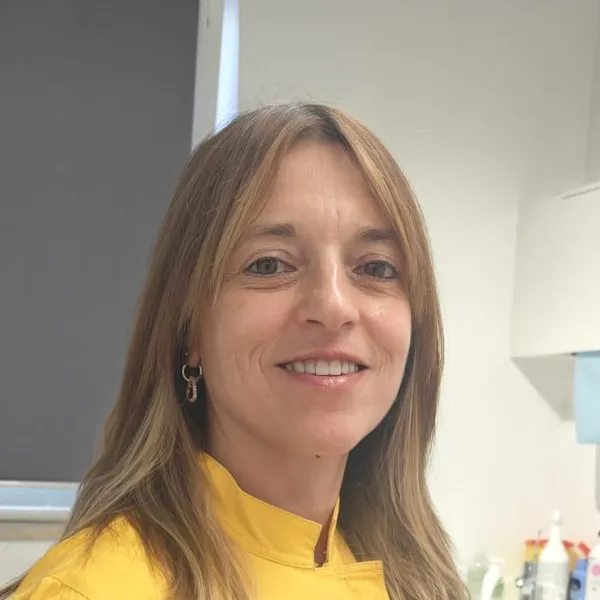
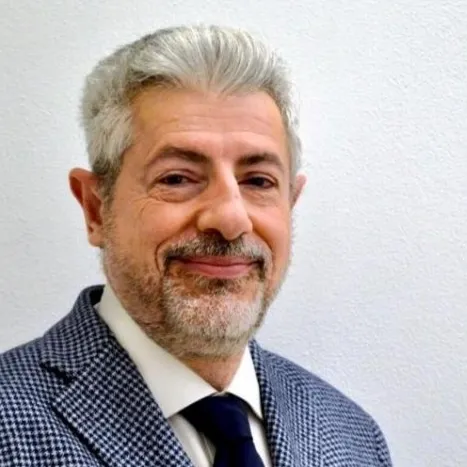
A team of highly qualified specialists, selected for their expertise, professionalism and experience, each specialising in a particular branch of modern dentistry: from implantology to paediatric orthodontics, from surgery to cosmetic orthodontics.
High-quality technological equipment.
For us, prevention and our relationship with the patient are fundamental values. A relationship of trust that lasts over time.
We will take care of you in the best possible way.
Clear and transparent quotes
Careful, thorough planning aims to guarantee you an optimal result that will last over time.
Your dentist will guide you in choosing your treatment plan.
Treatments
Restorative dentistry
To combat and treat tooth decay while it is still limited in size and depth.
Prosthetic dentistry
To give you a new smile by replacing missing teeth or treating damaged ones, with fixed and removable prostheses.
Endodontics
To treat pain caused by inflammation of the pulp (nerve), while saving the tooth.
Orthodontics
To prevent problems related to malocclusion and ensure, from childhood, correct chewing, which is essential for good health.
Surgery
To deal with major dental problems such as tooth extraction, removal of cysts, and bone regeneration for periodontal and pre-implant purposes.
Cosmetic dentistry
To improve your smile by correcting asymmetries and defects, while respecting chewing function.
Implantology
To give you new teeth to replace lost natural ones, with no difference at all.
Hygiene and prevention
To prevent or treat damage to the gum tissues from tartar and bacterial plaque.
Paediatric dentistry
The aims of the paediatric dental examination are:
- to diagnose dental problems (decay, defects in enamel formation, extra or missing teeth, misaligned teeth);
- to detect abnormalities in craniofacial development (malocclusions);
- to identify bad habits (dummy or thumb sucking, tongue thrusting when swallowing);
- to check the child’s ability to maintain good oral hygiene.
On this occasion the dentist can give parents information on correct oral hygiene and dietary habits, on when milk teeth fall out and are replaced by permanent teeth, on what to do in the event of dental trauma, and on the best preventive measures.
The experience and professional skill of all the healthcare staff must be able to overcome the young patient’s wariness and fear, preparing them for a friendly relationship with the dentist in the years to come. From the first visit to the dentist, even without any symptoms, regular check-ups should be carried out every 6–12 months to safeguard the oral health of the growing patient.
Orthodontics
Invisible braces can resolve a range of dental occlusion problems, provided the patient follows the orthodontist’s instructions carefully and consistently.
“Invisible orthodontics” video: Watch the video on YouTube

 Italiano
 English